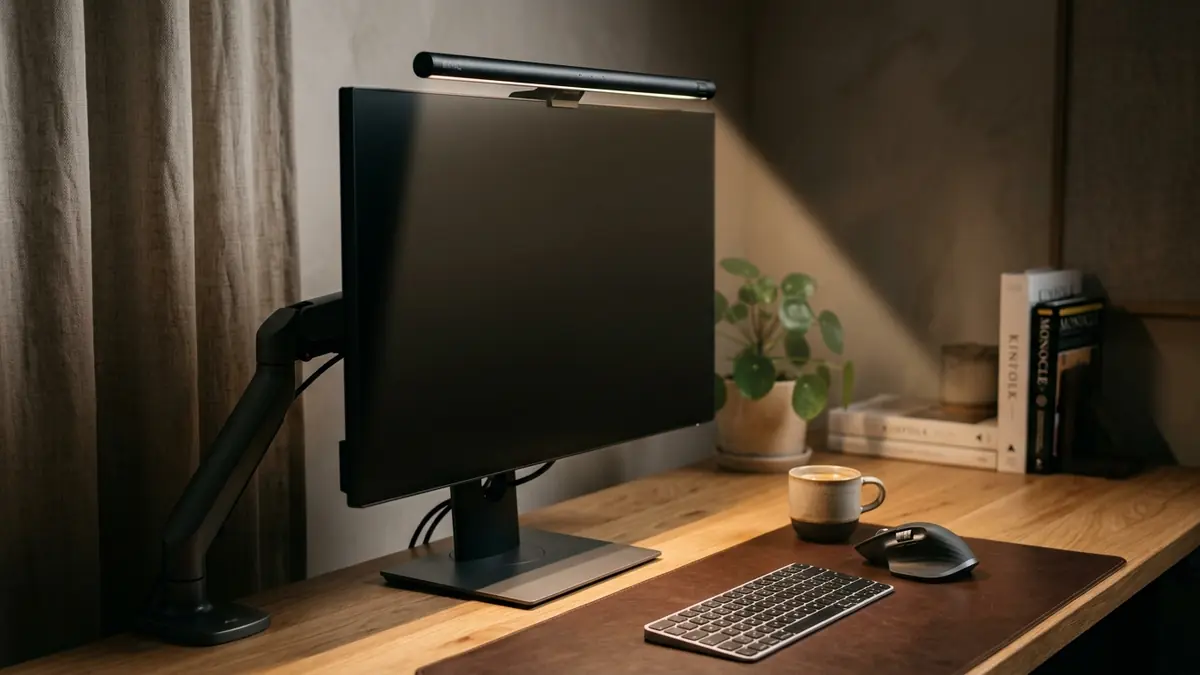
Your chair is the single most important ergonomic investment in your home office. You can have a perfect standing desk, a perfectly positioned monitor arm, and a premium cork desk mat—but if you are sitting in a poor chair, chronic lower back and hip pain are inevitable.
Part of TidySetup’s comprehensive resource series: explore our master Ergonomic Workstation Alignment Master Guide for complete workstation benchmarks.
The two dominant chair categories for serious professionals are mesh chairs and foam-cushioned chairs. Each involves a fundamentally different philosophy about how your body should be supported over an 8–10 hour working day. Here is how they compare.
Mesh Chairs: Breathable Support
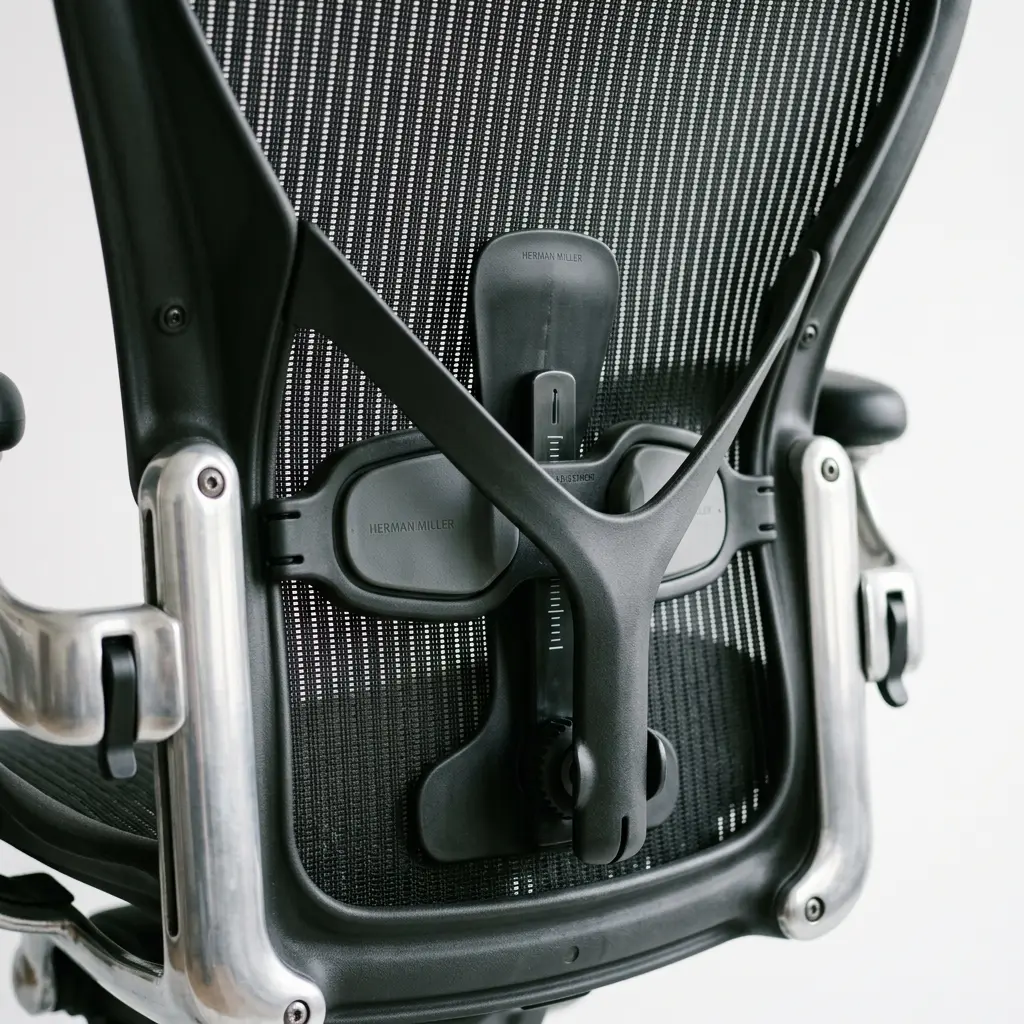
Mesh chairs, most famously represented by the Herman Miller Aeron and Steelcase Leap, use a taut, woven fabric stretched across a rigid frame instead of foam padding. Your body weight is distributed across thousands of individual mesh intersections, each providing micro-level support.
Pros of a Mesh Chair
- Breathability — The defining advantage. Mesh allows air to circulate continuously through the seat and back, preventing the sweaty, clammy discomfort that foam chairs create within 2–3 hours of sustained sitting in warm climates.
- Dynamic Lumbar Contouring — High-end mesh backs (especially PostureFit technology on the Aeron) flex and conform to the natural S-curve of your spine as you shift position throughout the day.
- Longevity — Premium mesh does not compress, sag, or lose its shape over years of use the way foam cushions inevitably do.
Cons of a Mesh Chair
- Hard Feel — For people accustomed to a soft, plush chair, mesh can initially feel too firm. The sensation of a rigid frame pressing through the mesh can be uncomfortable until your body adjusts (typically 2–4 weeks).
- Premium Price — Genuine mesh ergonomic chairs (Aeron, Leap, Gesture) cost $1,000–$1,800 new. The market is flooded with cheap imitations that use poor-quality mesh that sags immediately.
Foam Cushion Chairs: Immediate Comfort
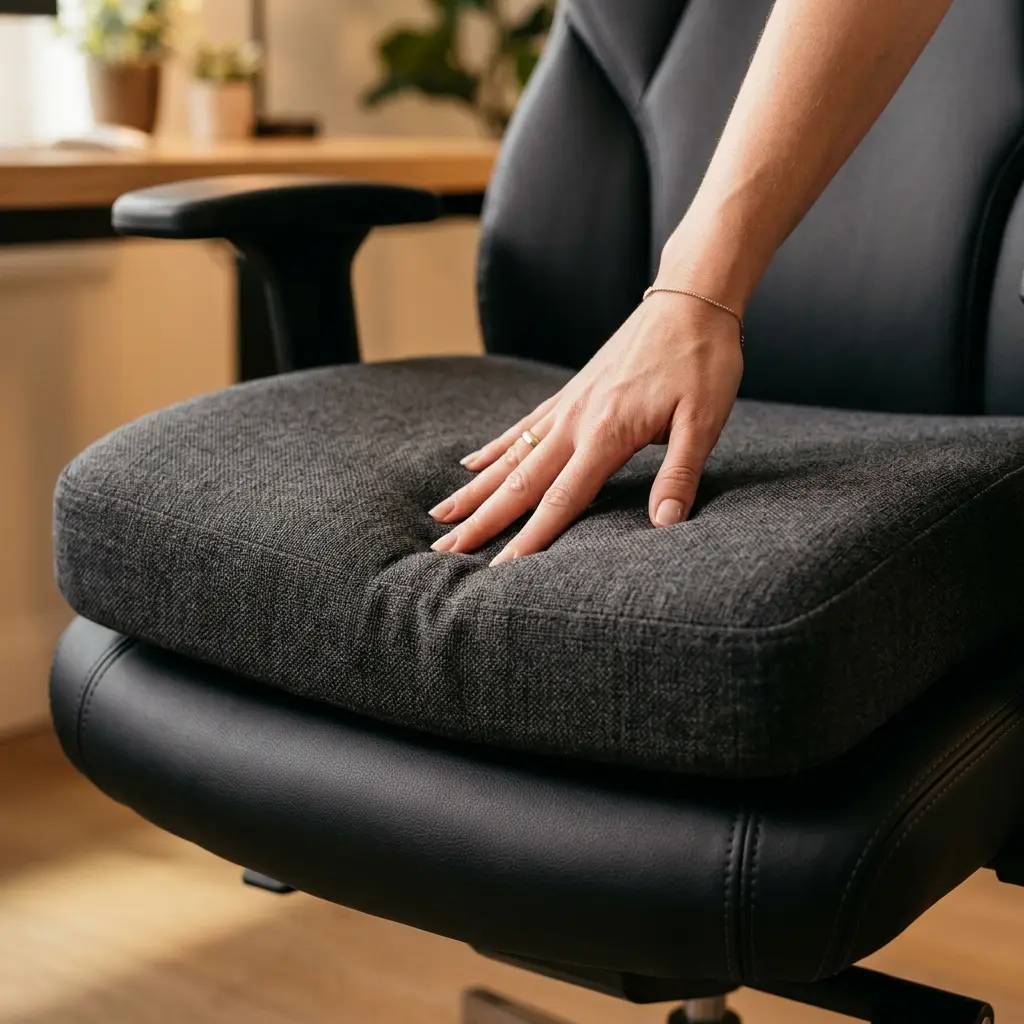
Foam chairs use high-density memory foam or cold-cure foam to create a plush, cushioned seating surface. They are immediately comfortable and familiar, making them the default choice for most office environments.
Pros of a Foam Cushion Chair
- Immediate Comfort — Unlike mesh, a high-quality foam chair feels comfortable from the first moment you sit in it. There is no adaptation period.
- Warmth — In colder climates or air-conditioned offices, a foam cushion chair retains body heat comfortably. A mesh chair can feel drafty in winter.
- Aesthetic Variety — Foam chairs are available in a far wider range of upholstery fabrics, leathers, and colors, making it easier to match your office aesthetic.
Cons of a Foam Cushion Chair
- Heat Retention — The same foam that retains warmth in winter becomes a liability in summer. Foam chairs trap body heat against your thighs and lower back, creating significant discomfort after 2–3 hours.
- Foam Compression Over Time — All foam degrades. Even high-density foam will lose 20–30% of its original loft within 3–5 years, meaning the chair that felt premium on day one will feel flat and unsupportive within a few years.

The Verdict: Match the Chair to Your Climate and Budget
The mesh chair vs foam cushion chair debate ultimately comes down to two factors: your local climate and your budget.
- If you live in a warm climate or work in a non-air-conditioned space, a mesh chair is non-negotiable. Foam chairs become genuinely uncomfortable in warm conditions.
- If you live in a cold climate and your office is always cool, a high-quality foam chair (ideally with a waterfall seat edge to reduce thigh pressure) can be a comfortable and cost-effective choice.
- Budget matters: A $200 mesh chair is worse than a $400 foam chair. The quality of the frame, adjustment mechanisms, and seat pan matters far more than the material alone.
Frequently Asked Questions
Are mesh chairs better for your back?
Mesh chairs are not inherently better for your back structurally; their main advantage is thermal comfort. A high-quality foam chair with a strong, adjustable lumbar support system will provide the exact same, if not better, spinal alignment as a mesh chair.
Do mesh chairs sag over time?
Yes, cheap mesh chairs will inevitably sag and stretch out within 1 to 2 years, destroying their ergonomic support. However, premium chairs (like the Herman Miller Aeron) use specialized, highly durable pellicle mesh that can maintain perfect tension for over a decade.
Is it bad to sit cross-legged in a mesh chair?
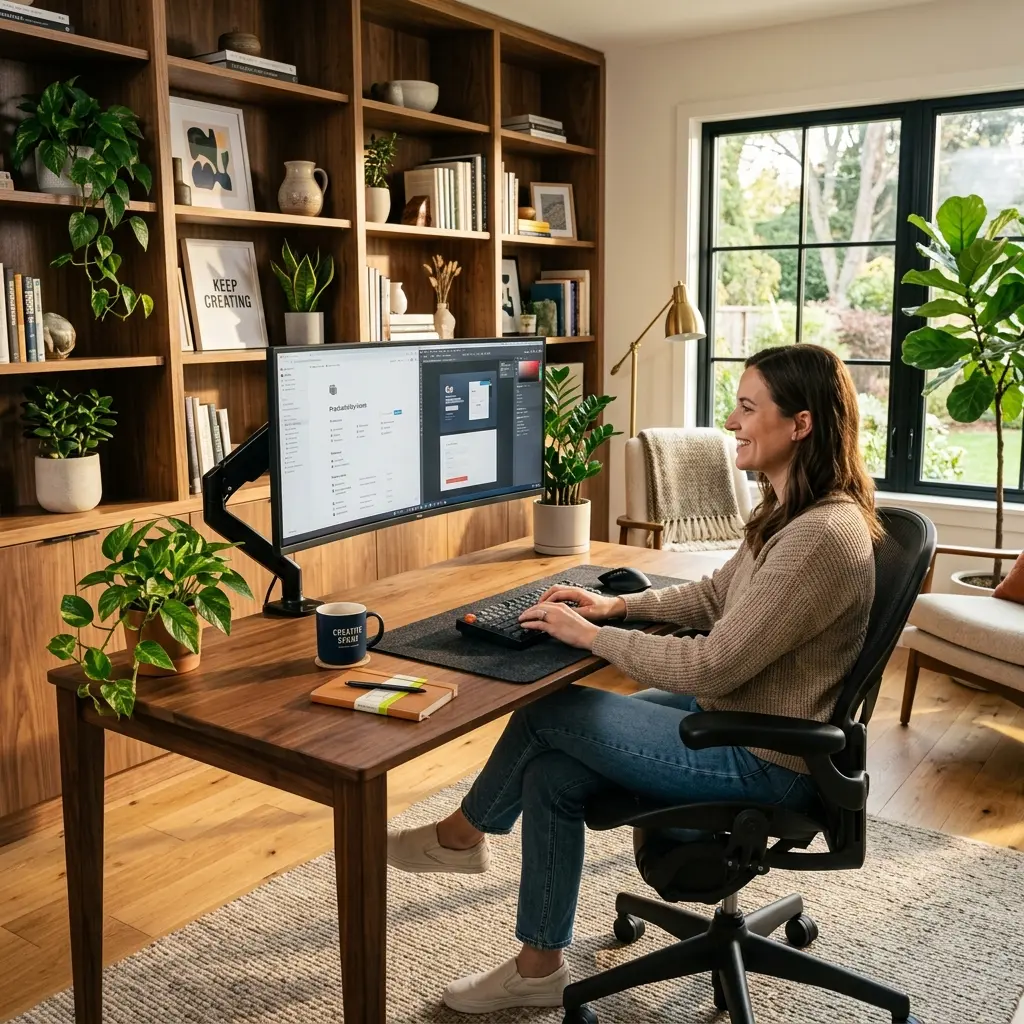
Yes, sitting cross-legged in a full-mesh chair is usually uncomfortable and bad for your circulation. The mesh must be attached to a hard plastic or metal outer frame. When you cross your legs, your ankles and knees press directly against this rigid, unyielding frame.
Why does my foam office chair hurt my tailbone?
Your foam office chair likely hurts your tailbone because the foam is too low-density and has “bottomed out,” meaning it is fully compressed and you are essentially sitting on the hard base plate of the chair. Upgrading to a high-density molded foam seat will fix this.
Which is better for sciatica: mesh or foam?
A firm, high-density foam cushion is generally better for sciatica. Foam distributes your body weight more evenly across the entire surface of the seat, whereas mesh can sometimes create a “hammock” effect that pinches or concentrates pressure around the hips and sciatic nerve.
Conclusion
The mesh chair vs foam cushion chair debate has no universal winner, only the right choice for your specific body. If you run hot, sweat easily, and sit with both feet flat on the floor, a premium mesh chair is a revelation. If you suffer from sciatica, like to shift your legs around, or want maximum plush support, high-density foam is the clear choice.
A well-organized workspace is a small investment in your daily comfort and focus. If you’re ready to get started and pair your perfect chair with the right desk accessories, take a look at the complete TidySetup collection to upgrade your ergonomics today.